by Emily Woodworth, CEED Summer Research Fellow and PhD student in clinical psychology at the University at Albany, State University of New York
“SkinnyTok” has been making headlines since early April—and for good reason. This dangerous social media trend glorifies thinness and promotes unhealthy weight loss tips, often disguised as health and wellness advice.1 Posts include low-calorie meal plans, workout videos, and “before-and-after” photos, among other things—but this content isn’t checked or approved by professionals (one registered dietitian said she would never recommend calorie counts as low as what she sees suggested on SkinnyTok2). SkinnyTok creators often use phrases like “tough love”, “hard truths”, and “accountability” to frame their advice, but the underlying message is damaging: your worth is defined by your weight.1,2
European regulators caught wind of SkinnyTok earlier this year and launched an investigation into the trend, raising concerns that TikTok was allowing content that promotes extreme thinness and glorifies eating disorders.3 TikTok ultimately banned the hashtag in early June under pressure from the French government. France’s digital commissioner celebrated the victory with a post on X, but many believe the problem is far from over.4
Experts have pointed out that SkinnyTok is a new version of “pro-anorexia” communities that first surfaced online in the early 2000s.1,5 These groups share images of dangerously thin bodies termed “thinspiration” (thin + inspiration) as well as restrictive “tips” that encourage disordered eating to lose weight.5 In these spaces, anorexia is viewed as a desirable goal rather than a serious illness that requires treatment.6 Since they first emerged, these communities have repeatedly popped up across social media platforms including Tumblr, Twitter (now X), and now TikTok.7,8 Some believe this trend returned because the rise of GLP-1 weight loss drugs has renewed our culture’s focus on thinness,9 while others point to the dangers of modern social media algorithms.
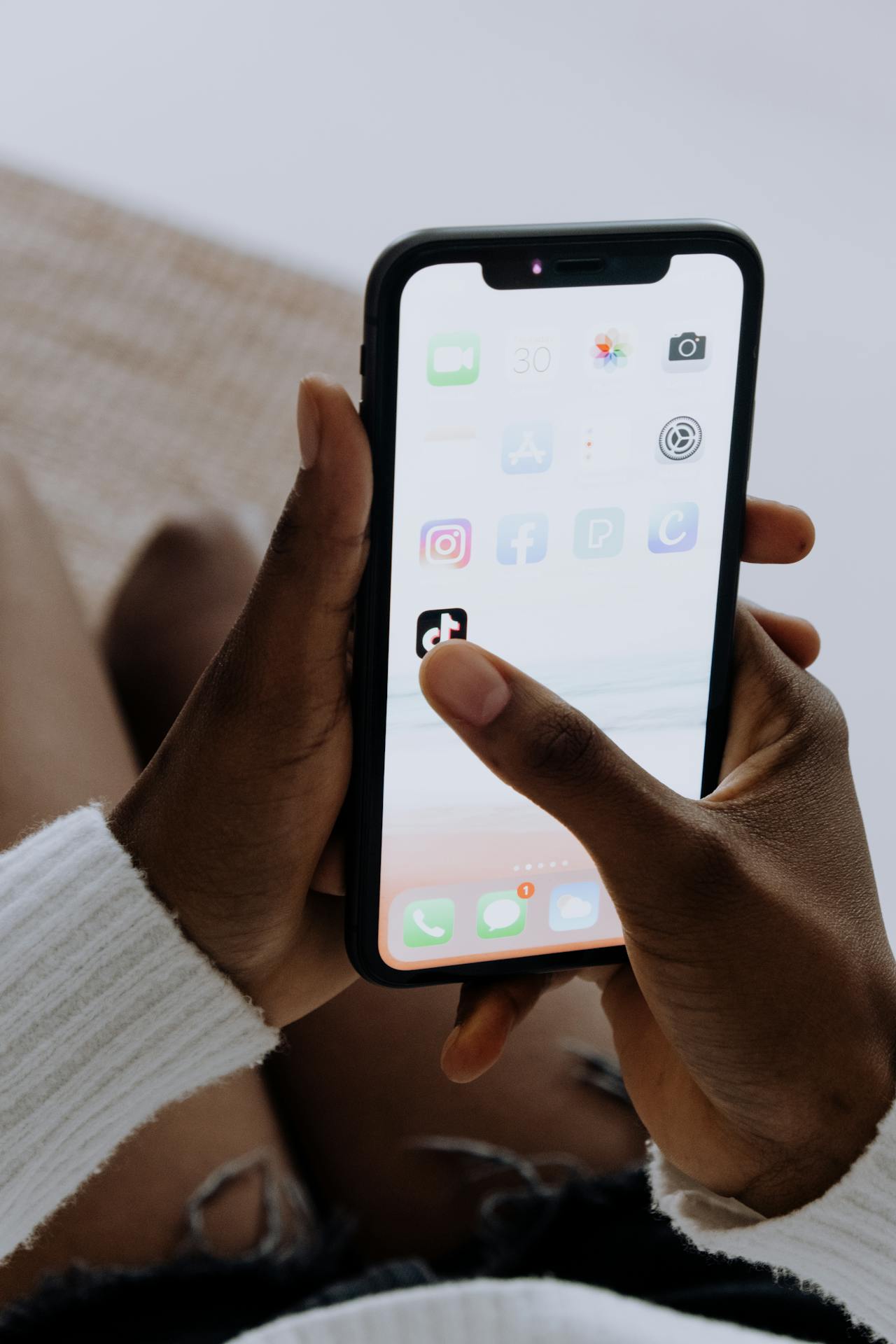
The New York Times published an article last year titled “Why Eating Disorder Content Keeps Spreading” that explains how social media algorithms cause harmful content to be pushed to those who are most vulnerable.10 TikTok and other platforms create a dangerous cycle where the more a user engages with content, the more they are sent related posts.5 The Center for Countering Digital Hate (https://counterhate.com) showed how quickly this can happen in a recent research report: they found that when they created TikTok accounts posing as 13-year-olds and liked content about body image and mental health, they were sent eating disorder content within 8 minutes of joining the app.11 Further, studies have found that this phenomenon—when users interact with eating disorder-related content, they receive more of it—is linked with worse eating disorder symptoms.12,13
Banning SkinnyTok was a step in the right direction, but TikTok’s algorithm will continue to spread similar posts under new names.5 While staying off social media is the best way to avoid harmful content, if that doesn’t feel realistic, see below for other ways to protect yourself:1,14
- Scroll past harmful content without watching, liking, or commenting (the more you engage with a certain type of content, the more of it you will receive, and vice versa).
- Use the “Not Interested” feature to tell the algorithm you don’t want to see that type of content.
- Follow accounts that encourage body neutrality, body acceptance, weight inclusion, and health at every size and unfollow accounts that promote harmful appearance ideals and disordered eating.
- Put on your media literacy cap. For example, if you come across “health” or “wellness” content, check to see if it is coming from a qualified health professional. Don’t be afraid to fact check with credible sources.
This is easier said than done—social media is designed to pull us in and hold our attention. Most importantly, if you’re struggling with what you’re seeing online, make sure to seek support. You’re not alone!
What’s the Deal with #SkinnyTok? National Alliance for Eating Disorders. April 7, 2025. Accessed July 3, 2025. https://www.allianceforeatingdisorders.com/whats-the-deal-with-skinnytok/
2. Martin H, Hohman M. What is SkinnyTok and why did TikTok ban it from search? TODAY.com. June 10, 2025. Accessed June 30, 2025. https://www.today.com/health/mind-body/what-is-skinnytok-banned-on-tiktok-rcna211003
3. Maheshwari S. TikTok Bans #SkinnyTok After European Regulators Raise Concerns. The New York Times. https://www.nytimes.com/2025/06/03/business/tiktok-skinnytok-ban.html. June 3, 2025. Accessed July 3, 2025.
4. Khatsenkova S. France leads crackdown on #SkinnyTok while Brussels plays catch-up. euronews. June 4, 2025. Accessed July 3, 2025. https://www.euronews.com/my-europe/2025/06/04/france-forces-tiktok-to-ban-skinnytok-but-harmful-content-still-persists
5. Stark E. “SkinnyTok” May Be Banned, But the Threat Remains | Psychology Today. June 26, 2025. Accessed June 30, 2025. https://www.psychologytoday.com/us/blog/is-pro-ana-back/202506/skinnytok-may-be-banned-but-the-threat-remains
6. Branley DB, Covey J. Pro-ana versus Pro-recovery: A Content Analytic Comparison of Social Media Users’ Communication about Eating Disorders on Twitter and Tumblr. Front Psychol. 2017;8:1356. doi:10.3389/fpsyg.2017.01356
7. De Choudhury M. Anorexia on Tumblr: A Characterization Study. In: Proceedings of the 5th International Conference on Digital Health 2015. DH ’15. Association for Computing Machinery; 2015:43-50. doi:10.1145/2750511.2750515
8. Sukunesan S, Huynh M, Sharp G. Examining the Pro-Eating Disorders Community on Twitter Via the Hashtag #proana: Statistical Modeling Approach. JMIR Ment Health. 2021;8(7):e24340. doi:10.2196/24340
9. Riddle K. TikTok bans #SkinnyTok. But content promoting unhealthy eating persists. NPR. https://www.npr.org/sections/shots-health-news/2025/06/24/nx-s1-5438391/tiktok-body-image-diet. June 24, 2025. Accessed June 30, 2025.
10. Minsberg T. Why Eating Disorder Content Keeps Spreading. The New York Times. https://www.nytimes.com/2024/02/06/well/move/tiktok-legging-legs-eating-disorders.html. February 6, 2024. Accessed July 5, 2025.
11. Center for Countering Digital Hate. Deadly by Design: TikTok Pushes Harmful Content Promoting Eating Disorders and Self-Harm into Users’ Feeds.; 2022. https://counterhate.com/wp-content/uploads/2022/12/CCDH-Deadly-by-Design_120922.pdf
12. Dondzilo L, Rodgers RF, Dietel FA. Association between engagement with appearance and eating related TikTok content and eating disorder symptoms via recommended content and appearance comparisons. International Journal of Eating Disorders. 2024;57(2):458-462. doi:10.1002/eat.24117
13. Griffiths S, Harris EA, Whitehead G, et al. Does TikTok contribute to eating disorders? A comparison of the TikTok algorithms belonging to individuals with eating disorders versus healthy controls. Body Image. 2024;51:101807. doi:10.1016/j.bodyim.2024.101807
14. Ord DC. As TikTok bans #SkinnyTok, here’s how to protect yourself from ‘thinspo’ content online. Glamour UK. June 6, 2025. Accessed July 7, 2025. https://www.glamourmagazine.co.uk/article/thinspo-skinnytok-trend
 Exchanges