by the UNC CEED Research Team
Have you ever wondered what happens when someone has all the signs of anorexia nervosa (AN), but their weight has never gotten low enough for them to receive an AN diagnosis?
They get labeled as having “atypical anorexia nervosa,” or AAN.
Even though AAN can be devastating, people with this label are often told they’re “not sick enough” for inpatient or residential treatment, can have insurance coverage denied even for outpatient care, and are often excluded from research that could help clarify just how serious their condition is. This leaves many people with AAN feeling like their weight isn’t low enough to merit care, and, sadly, some take this as a not-so-subtle suggestion to lose more weight so they can “qualify” for treatment. It completely invalidates their experience and undercuts their motivation to seek help.
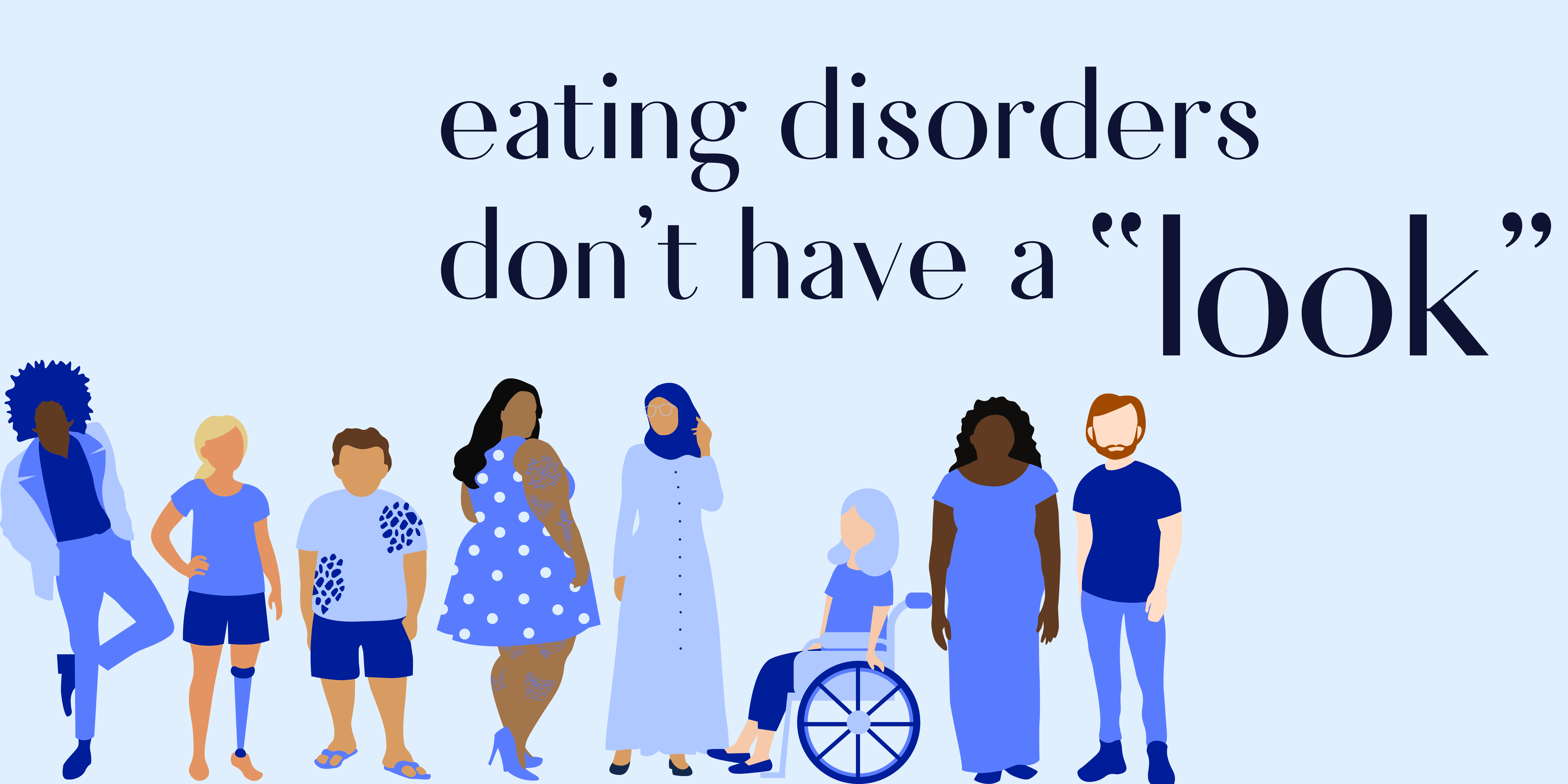
What if this were to happen in other areas of medicine? Imagine that someone receives a diagnosis of Stage 1 colon cancer. There would be an uproar if a physician told their patient to come back when they’re stage 4. Or if a patient’s coronary artery were 97% blocked, and their doctor said…”Come back to see me when you’re having a heart attack.” We would never consider giving the “you’re not sick enough” message to these patients! Plus, while the dangers of low weight shouldn’t be minimized, it’s not the only serious consequence of AAN. We need to look at the whole person, not just their BMI.
In fact, despite the absence of the qualifying “low weight” needed for an AN diagnosis, there has been a recent increase in the number of individuals with AAN who are seen in emergency departments or admitted to hospitals for medical stabilization. The truth is, if we could detect and treat people with AAN early, we might be able to prevent them from suffering debilitating consequences of AAN, developing a chronic course, or even spiraling into “typical” AN. But as long as we exclude them from research, there’s no way we can learn how best to intervene.
We have received funding to study the role of genes and environment on anorexia nervosa, bulimia nervosa, binge-eating disorder, and avoidant/restrictive food intake disorder (ARFID). People with AAN are currently excluded from the study. We want your help to include them!
Our goal is to raise enough money to enroll 4000 people with AAN in our genetic research. The last thing we want is for people with AAN to feel excluded from our research because they’re “not sick enough,” and we need your help to make it happen.
The study is easy for participants. They fill out online questionnaires and then receive a “spit kit” in the mail. All they have to do is give a saliva sample at home (for genetic analysis) and ship it back to the lab. We then send them shorter questionnaires every year for three more years to track the progression of their illness.
The per participant cost of participating is about $375. So, ultimately, we’ll be trying to raise about $1.6 million dollars to enroll 4000 people. But we’re starting with $150,000 to kick things off. That’s 400 participants with AAN!
We’ve had hundreds of people with AAN inquire about participating in our research, and as much as we want to include them, we’ve had to push the pause button because we don’t have funds to do so.
We’re determined to open our doors to people with AAN so that we can identify genetic and environmental causes of their condition and understand how they do or do not differ from other eating disorders. Ultimately, including them in our research could give us revolutionary insights into AAN and inform prevention, policy, and personalized care.
You can donate as little or as much as you’re able, but please consider supporting our research. Together we can make sure that people with AAN are included in our research! To donate, please visit www.unchf.org/aanr.
 Exchanges